• Skip to primary navigation
  • Skip to main content
  • Skip to footer

Parnell Painting

New Ideas, Old Fashion Service

  • Parnell Painting
  • About Parnell Painting
  • Estimates & Services
  • Parnell Painting Client Testimonials
  • Portfolio Of Work
    • Exterior Painting Portfolio
    • Interior Painting Portfolio
  • Painting Tips
  • Preparing A House For Sale
  • Choosing Paint Colours
  • (250) 585-7222
  • contact@parnellpainting.com

admin

Repainting A Hardie Board House In Deep Blue

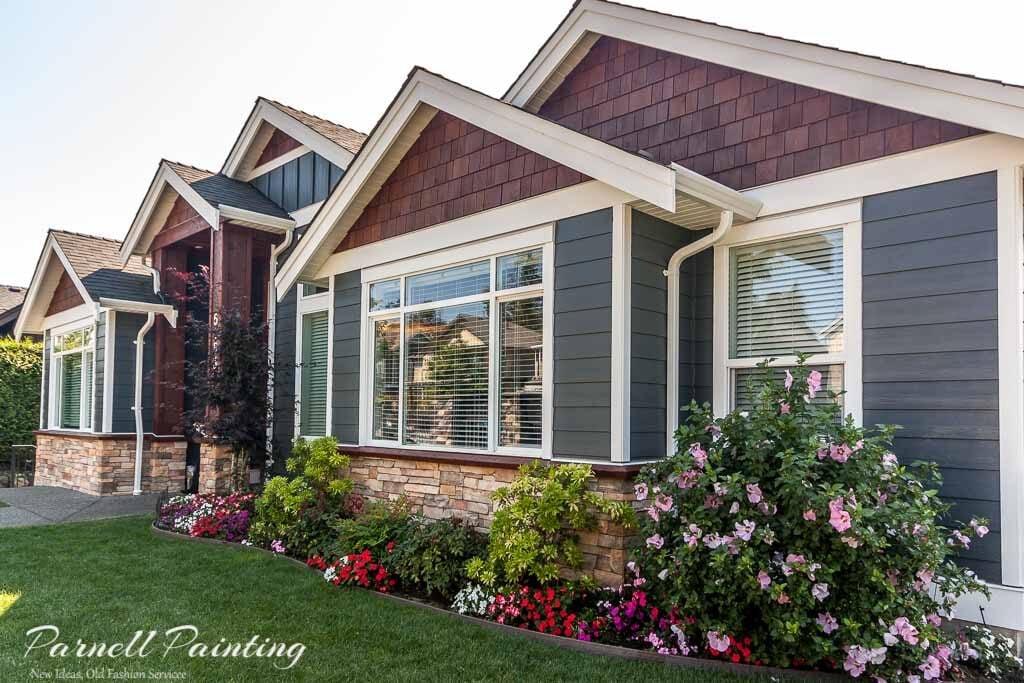
We were hired to do the first repaint of this Hardie Board house since it was built. The owners wanted a fresh colour scheme with more impact. They choose a deep blue for the siding and a soft, warm yellow for the accent in the gables. The trim work was repainted in the same bright white.

A Hardie Board Repaint In Brown Tones

We did a complete repaint of this house exterior which included the Hardie Board siding, trim work and doors. The owners liked the earthy tones that the house was originally painted with so they had us repaint with similar colours. The brown shades work well with the brick on the front of the house.

The only change we made was bumping up the trim work and door colour to a slightly darker brown so that it gave it more contrast with the body of the house.

Cedar Siding House Colour Transformation

Take a look at this exterior transformation! An extensive amount of scraping, sanding and priming was required to get the cedar siding looking good again. Unfortunately it was left far too long in between paint jobs. The new dark green colour looks fantastic, it’s completely changed the look of the house.

How Often Should The Exterior Of Your House Be Painted?

Exterior Painting Goes Beyond Aesthetics

Painting your homeโ€™s exterior isnโ€™t just about appearance โ€” itโ€™s an essential part of house maintenance. Exterior paint acts as a protective barrier against the elements, shielding your home from moisture, UV rays, and temperature fluctuations.

Here in Nanaimo on Vancouver Island, our homes endure west coast conditions, including harsh UV exposure, salty ocean air, driving rain, and winter storms โ€” all of which wear down paint over time. Ignoring exterior maintenance can lead to costly repairs later.

A professionally painted James Hardie siding house  with deep blue siding and white trim work done by Parnell Painting in Nanaimo

How Many Years Will My Exterior Paint Job Last?

Thereโ€™s no one-size-fits-all answer to how often a home needs repainting โ€” it depends on your climate, paint quality, and surface materials. On average, most homes in British Columbia need a repaint every 8 to 12 years, but many factors can affect that timeline.

Delaying even a couple of years beyond the ideal repainting window often leads to more prep work, higher costs, and potential damage. A simple rule of thumb: if your paint looks dull, faded, or shows early signs of wear, schedule a professional inspection or repaint before damage sets in.

Regular exterior painting maintains your homeโ€™s beauty, preserves siding integrity, and protects your investment for years to come.

Factors That Affect Paint Longevity

Several key factors determine how long exterior paint lasts:

  • Weather and UV Exposure: Sun, wind, rain, and salty ocean air break down paint.
  • Facing Direction: South and west-facing portions degrade faster due to sun and heat.
  • Surface Material: Wood requires painting more often (every 3โ€“7 years), while stucco, fiber cement, and painted brick can last 10โ€“15 years or longer.
  • Initial Construction Quality: Homes built with high-quality materials and proper sealing retain paint longer.
  • Paint Quality: Premium exterior paints formulated for UV and moisture resistance maintain colour and protection far longer than builder-grade products.
  • Surface Preparation: Proper cleaning of dirt and mildew, scraping loose paint, sanding, priming, filling holes and cracks, and caulking are essential for adhesion and durability. Skipping these steps often leads to premature failure, no matter the paint quality.
  • Coats of Paint: Two coats are necessary for adequate coverage, durability, and protection. Donโ€™t skimp on paint, itโ€™s asking a lot for a few mils (thousandths of an inch) layer of product to protect your home.
  • Colour Choice: Dark and vibrant colours fade faster due to UV absorption; consider mid-tone or softer neutrals to extend paint life.
  • Ongoing Maintenance: Regularly washing away dirt, mildew, and pollutants, along with prompt caulking repairs, helps maintain the protective barrier and extend the lifespan of your paint.

Vancouver Island / Pacific West Coast Weather Challenges

Homes here in Nanaimo on Vancouver Island face fluctuating temperatures, heavy rainfall, winter storms, and salty ocean air. Siding and trim on the south and west-facing sides of homes tend to degrade faster and north-facing sides are prone to mildew. Proximity to the ocean can also accelerate wear, often requiring earlier maintenance due to salt exposure and humidity.

High humidity and frequent temperature changes cause wood to expand and contract, putting stress on paint films and caulking. Over time, this movement creates cracks that allow water to penetrate, leading to rot, mildew, and peeling paint.

Because of these local conditions, homes in Nanaimo and other West Coast communities need regular inspections, maintenance, and touch-ups to prevent small issues from turning into costly repairs. Itโ€™s essential to use premium exterior paints that can stand up to our coastal climate and to hire experienced local painters familiar with applying paints in our Vancouver Island weather patterns.

Donโ€™t wait too late in the season to book your exterior painting โ€” Nanaimo’s painting season is short, typically running from May through September.

Exterior Materials Have Different Timelines For Painting

Each exterior material weathers differently:

  • Wood: Requires the most frequent maintenance; exposed areas may need repainting every 3โ€“7 years.
  • Fiber Cement (James Hardie, etc.): Typically lasts 10โ€“15 years or longer. Even factory-painted products may need a professional repaint at the 10โ€“12 year mark. These types of houses often have wood trim work that usually requires painting much sooner.
  • Painted Brick: Properly prepared and painted brick can last 10โ€“15 years.
  • Stucco: Depends on type; unpainted tinted stucco may not require repainting for 15+ years. Painted stucco follows standard paint lifespans.

Paint Chalks Over Time

A common sign of aging paint is chalking – a powdery residue caused by sun, moisture and oxidation. Test by wiping a dark cloth on the surface; a light film indicates chalking but donโ€™t get confused with dirt or dust. Severe chalking signals the paint is near the end of its life. Manufacturer warranties donโ€™t cover this chalking, it is not a product failure. Regular cleaning can help slow this process and keep your homeโ€™s finish looking fresh for longer.

exterior house sided that is severely faded and chalking

Signs Itโ€™s Time To Repaint

Watch for these indicators:

  • Cracking, Flaking, or Peeling Paint: the most obvious signs and they expose underlying materials to moisture.
  • Blistering or Bubbling: Moisture trapped beneath paint indicates failed protection.
  • Faded Colours / Loss of Sheen: UV rays desaturate colour and dull paint over time
  • Mould or Mildew: Persistent growth can signal paint breakdown.
  • Chalky Finish: a haze of powdery residue shows paint is eroding.
  • Length of Time: Paint has a limited lifespan. Paint over 10โ€“15 years old loses protective properties even without visible damage.

Regular House Maintenance Extends Paint Life

Staying on top of maintenance prolongs paint life and prevents moisture damage, rot, and higher repair costs.

  • Inspect annually. Look for early signs of wear such as chipping, cracking, flaking, or bubbling paint. These small issues let moisture in and can lead to bigger problems if ignored.
  • Maintain caulking. Check caulking around windows, doors, and trim work. Once it hardens, cracks, or separates, it loses elasticity and no longer seals out moisture. Replace deteriorated caulking to maintain your homeโ€™s protection.
  • Repair Damage Early: Address warped boards, loose trim, or soft spots promptly. Focus on horizontal surfaces where water pools, ends of gable fascia boards, window sills, bottom of door jambs and substrates near the ground.
  • Clean your exterior. Dirt, mildew, and pollution buildup can cause paint to degrade faster. A gentle wash once or twice a year removes contaminants and keeps the finish looking bright.

Proper Application Ensures Longevity

Even high-quality paint wonโ€™t perform as intended if applied incorrectly.

Painting in extreme temperatures, high humidity, or direct hot sun can lead to peeling, blistering, or poor adhesion. Skipping preparation steps โ€” cleaning, scraping, sanding, or priming โ€” prevents proper bonding.

Exterior paint needs the right conditions to cure and protect your home effectively. Hiring professional painters who understand these variables ensures long-lasting results and helps you avoid costly repainting far sooner than expected.

The Most Common Mistake: Waiting Too Long To Paint

Delaying repainting doesnโ€™t save money. Once siding and trim deteriorate, damage accelerates.

  • Consequences of Neglect: Wood decay, water penetration, mold/mildew, insect infestations or even structural damage.
  • High-Risk Areas: Fascia board, particularly the bottom ends, window sills, bottom of door jambs, vertical trim or siding near the ground.

Replacing damaged fascia boards or trim, especially in upper storeys, can be far more expensive than a timely paint job. Regular repainting keeps your home protected and prevents costly repairs down the road.

Cracking and peeling exterior paint on siding is a sign you left it too long to paint your house exterior

New Construction Painting Often Falls Short

Donโ€™t assume new homes are fully protected. We see new construction houses that are clearly in need of another coat of paint. Many builders apply just one thin coat of low-quality paint leaving surfaces vulnerable to premature fading and wear, especially on fascia boards and trim work. Even two coats of builder-grade paint may fail to protect your home long-term. A professional repaint within the first few years ensures lasting protection and curb appeal.

Exterior Painting Improves Resale Value and Curb Appeal

A well-maintained home with a high-quality paint job shows that itโ€™s been cared for. Quality paint increases curb appeal and can improve the resale value of your home. Realtors often request painting estimates as negotiation strategy, and buyers may be discouraged if a home appears neglected. Paint is a cost-effective way to make your home move-in ready.

Transform Your House Exterior With a New Colour Scheme

Even without the need to repaint, changing your exterior colour can refresh your home and boost curb appeal. A new scheme is a cost-effective alternative to remodeling, highlighting architectural features and softening less attractive areas. Inspiration from other homes can guide your choices for a cohesive, appealing look.

Hire a Professional Painting Contractor

Painting an exterior is a daunting task for homeowners. Painting professionals understand paint coatings and apply them with the proper techniques to ensure a high-quality finish that protects your home from the elements, and saves you time and effort. They also understand how to work safely and efficiently, especially on multi-storey homes or hard-to-reach areas.

Key benefits:

  • Proper surface preparation
  • Correct application techniques for durability
  • Knowledge to use appropriate paint and products
  • Safe access to multi-storey or difficult areas
  • Faster, efficient project completion
Professional Painting Guide, A List Of Signs Its Time To Paint Your Exterior
Parnell Painting โ€“ professional painters in Nanaimo

Parnell Painting is a trusted Nanaimo painting company run by husband-and-wife team Jack and Audrey. We take pride in delivering high-quality interior and exterior painting that makes your home look fresh and inviting.

Call or email us to scheulde a  free, no-obligation quote.

Paint Sheens Explained: How To Choose The Right Finish For Your Home

Paint sheen refers to how much light reflects off a painted surface โ€” essentially its the level of shine or lack of it. The higher the sheen, the more reflective and glossy the surface appears.

Choosing the right paint sheen is important not only from a design perspective, it plays a role in the durability and ease of cleaning. Depending on the sheen level it can also hide or highlight surface imperfections.

Paint Sheens Are Not The Same Across All Paint Brands

Sheen levels can vary between manufacturers. One brand’s eggshell might look closer to another’s satin. There are no industry rules that have to be adhered to. To make it more confusing some brands use alternate names like low luster or velvet. Ask your painter or paint store for guidance on how each brand defines its sheens.

Common Sheen Levels

Most paint sheens are available for interior or exterior use. Here are some of the options in order of the paint starting with no sheen and ending with the highest sheen paint called gloss.

  • flat/ultra, zero reflection, hides imperfections, ideal for ceilings
  • matte/velvet: soft, low reflection, elegant look, good for imperfect walls
  • eggshell/low luster, most popular for walls, a balance between reflection and durability and ease of cleaning, can show some imperfections
  • satin/pearl: durable, medium reflection with a soft glow, most popular for trim work and doors, can be used for cabinets, can show some surface imperfections
  • semi-gloss: higher reflection and shine easy to clean, highlights flaws, used for trim, doors and cabinets
  • Gloss/high gloss: extremely reflective, dramatic, bold finish for doors, cabinets or statement pieces, every flaw will show if surfaces are not perfect

Flat Sheens

A true flat paint has no visible sheen and therefore no reflection. It’s great at concealing surface imperfections. Painters will often seek out a “dead flat” paint for ceiling application to avoid any reflection from lights. Some brand’s paint that is labeled “flat” is not a true flat and has a minimal amount of sheen to it. Flat sheen paints are forgiving when it comes to touch-ups. They can easily mark, are not very washable and tend to hold onto stains.

a modern minimalist interior with walls painted with a light off-white flat sheen paint for no reflection


Matte Sheen

Matte paints have a touch of sheen and a velvety finish favoured by interior decorators. It can help to conceal imperfections on less than perfect walls.

Advances in paint technology have allowed washable matte paints into the market, but they still won’t hold up as well as comparable quality eggshell sheen paint.

Eggshell Sheen

Eggshell or low lustre is a step up in sheen from matte, but lower than satin or pearl. From straight viewing there’s not much difference visually between matte and eggshell, but from even a slight angle you can see the higher reflection of an eggshell surface.

Eggshell sheen is the go-to for interior walls, it offers the best balance between appearance and practicality for cleaning. There are some very durable eggshell sheen paints on the market today.

Satin Or Pearl Sheen

Satin or pearl finishes are ideal for trim, doors and mouldings. They highlight architectural details with a soft glow, providing contrast next to matte or eggshell walls. Not the best option for walls, it will highlight a lot of imperfections, but are easier to clean.

Semi-gloss Sheen

Semi-gloss has a fair bit of reflection, good resistance to dirt and scuff marks and is easy to clean. Imperfections will be strongly highlighted. It’s diminished in popularity for trim work and doors in favour of lower, but still durable finishes like satin and pearl.

High Gloss Sheen

High gloss is extremely reflective. It’s used for statement piece furniture and occasionally cabinets and doors where a mirror like finish is desired. Surfaces must be flawlessly prepared or every imperfection will show. The paint needs to be sprayed or every brush mark and roller pass will be noticeable.

Best Paint Sheens For Each Interior Space Of Your Home

Interior sheen choices ultimately come down to a blend of personal preference and room use.

  • Interior Walls – eggshell is the most versatile choice offering some durability and not too reflective, with matte being another good contender
  • Kitchen And Bathrooms – eggshell is also the preferred choice as it’s not too reflective and there are eggshell paints formulated for ease of washing and high humidity areas
  • Trims And Doors – satin or pearl sheens provide durability and a subtle contrast from the walls without too much reflection, semi-gloss is an option for those who prefer a more reflective sheen and very easy cleaning
  • Ceilings – flat is the best choice to minimize glare and light reflection

Lower sheen options are available for walls today thanks to modern technology that has created washable formulas like Benjamin Moore Ulti-matte and Aura Bath & Spa.

Examples Of Paint Sheens Used In Home Interiors

Eggshell Walls with Semi-Gloss Trim

This room features eggshell walls paired with semi-gloss trim. The soft wall finish contrasts beautifully with the higher sheen on the trim, highlighting details and adding depth through reflected light.

examples of trim work painted in a reflective semi-gloss sheen paint and walls painted with eggshell sheen

All White Interior With Matte Walls with Satin Baseboards

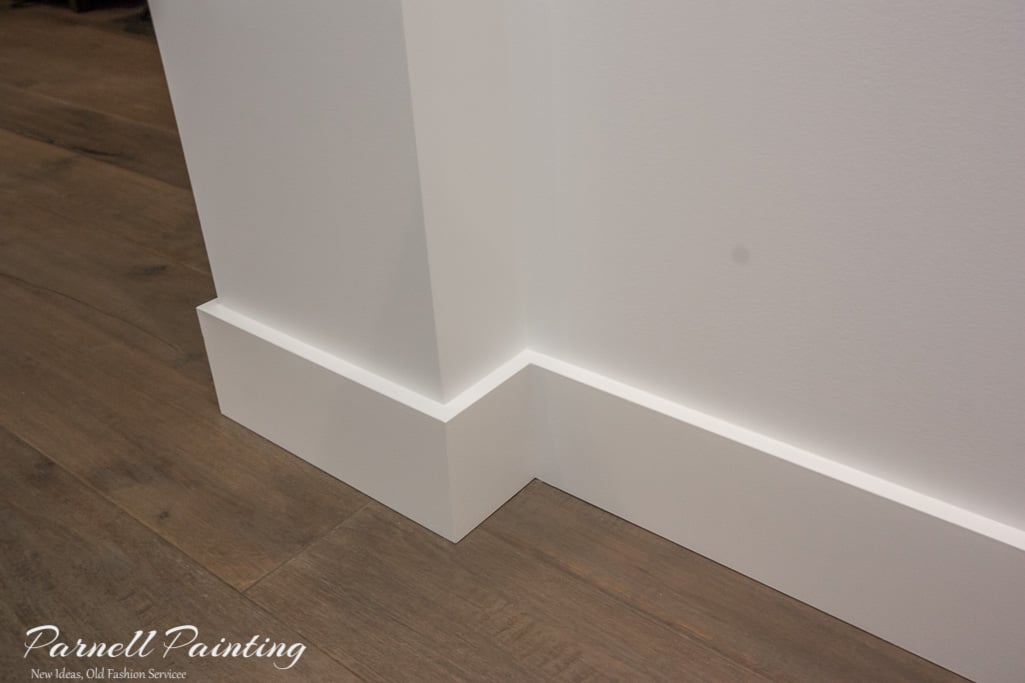
This all white interior has matte paint on the walls, a subtle distinction is made between the two surfaces by using satin sheen on the baseboards and trim. The satin sheen also provides the trim with extra durability.

interior walls painted in Benjamin Moore Ulti-matte and trim work painted with Benjamin Moore Aura satin tinted to Chantilly Lace

Flat Walls with Pearl Trim and Doors

A flat wall sheen combined with pearl sheen on trim and doors creates a refined, low-reflection look that complements the modern and and minimalist decor of this home’s interior.

flat sheen paint in a light greige colour used throughout an interior to give a modern and minimalist look with no reflection

Eggshell Walls with Pearl Trim

In this ranch-style home, eggshell walls are paired with pearl sheen trim to achieve durability without the high reflection of semi-gloss. It gives the home a balanced, soft finish that highlights the trim without drawing too much attention.

an entry and hallway with eggshell sheen paint on the walls and pearl sheen paint on the trim work to lightly highlight it

Best Paint Sheens for Exterior Surfaces

When choosing the sheen for exterior painting it is important to think about the practical considerations and not just the aesthetics.

  • Flat paints – hides surface flaws but attract more dirt. The lack of reflection offers a softer, more natural appearance on textured surfaces like stucco or wood siding. Likewise, some owners do not like how higher sheen paints highlight the texture of James Hardie board siding.
  • Satin paints – better at repelling water and dirt, easier to clean, makes a great choice for exterior trim work and doors and for siding that gets dirt or debris blown or splashed up on it
  • Semi-gloss – excellent at repelling water and dirt, adds durability, very easy to clean, suitable for exterior trim work and doors

All things being equal, higher sheen paints have properties that are more favourable for exterior surfaces. If you desire the look of a lower sheen paint there are options available, but make sure it’s a premium paint that is specifically formulated for durability, dirt and stain resistance. Regardless of sheen you want an exterior paint with UV protectants and mildew and mold resistance.

Examples Of Sheens Used On Exterior Surfaces

Flat Sheen On Exterior Siding

For this home, the decorator chose a flat sheen paint for the siding to achieve a soft, non-reflective look that shows the paint colour more accurately, similar to how it appears on a swatch. A premium flat paint was used, but regardless it will be more prone to scuffs and dirt retention than a comparable quality paint in a higher sheen. Looking down the siding you can see there is no visible reflection.

midnight blue James Hardie board siding with Navajo white trim work painted with flat sheen paint chosen by the decorator for a soft, non reflective finish

Satin Sheen On Exterior Siding

This home is painted in a dark blue satin sheen. The benefit of this high-quality satin sheen paint is the excellent dirt and stain resistance, making it ideal for durability and cleaning. The trade-off is that its reflection emphasizes surface texture of the James Hardie siding which some homeowners may prefer to avoid.

Hardie board siding painted iron gray in a reflective satin paint to provide durability and repel water and dirt
A house with Hardie board siding painted iron gray with white trim work

Satin Sheen Can Vary by Paint Brand

The brown siding on this home has a noticeably glossy reflection, even when viewed straight on. This shows how paint sheen levels differ between manufacturers. Although labeled as satin, this product has a higher sheen closer to semi-gloss, creating a slightly โ€œplasticโ€ appearance.

The front porch of a house painted brown with cream trim work and stair railings in a satin finish for durability

Satin Sheen with Stained Trim for Balanced Contrast

This modular home features James Hardie board siding painted in a satin sheen and wood trim finished with a flatter stain. The satin paint adds a subtle touch of sheen and durability, while the low-sheen trim provides a natural, softer contrast. Note that satin finishes can vary by brandโ€”in this case, the satin paint has a lower sheen than typical, offering a more understated look.

A Hardie board siding house painted with satin sheen taupe paint and brown stain on the trim work
grand exterior entry doors painted in a dark charcoal colour in a satin sheen paint that provides scuff resistance and creates a bold statement

Satin Sheen on Exterior Doors for Durability and Contrast

Exterior doors are often painted in a satin sheen to create a bold, durable finish that stands out against lower-sheen siding. A high-quality satin paint provides excellent scuff resistance, easy cleaning, and long-lasting protectionโ€”perfect for frequently used doors exposed to the elements.

Flat Sheen for a Soft Look Free Of Reflection

The Hardie board siding and trim of this house were painted with a flat sheen paint. The builder specified flat sheen to avoid unwanted glare that could detract from the homeโ€™s architectural details.

A modern house with Hardie board siding painted with flat sheen brown paint so that it has a soft natural look without a lot of shine

Flat or Stained Finishes for Textured Surfaces

Many homeowners prefer a low-sheen or stained finish on textured materials like cedar shingles. Higher-sheen paints can highlight uneven textures, which some find unappealing. A flat stain gives a natural, subdued look that enhances the woodโ€™s character while minimizing glare and visual distraction.

exterior house cedar shingles stained for a more natural look and the sheen is flat so that the texture of the shingles is not highlighted

Satin Sheen On A Modern White House Exterior

This modern-style farmhouse exterior is painted entirely white in a satin sheen paint. It’s a large house and if it was a dark colour the satin sheen could be overwhelmingly glossy. The satin sheen is not as noticeable in a light colour or on the vertical board-and-batten siding compared to horizontal siding. It’s a good sheen choice to repel dirt and moisture, which will help keep this white exterior looking bright and crisp.

James Hardie board and batten siding painted oxford white in a satin sheen to repel dirt and water to keep it clean and bright

How Sheen Affects Paint Colours

Sheen influences how we see paint colours. Higher sheen paints reflect more light, making colours appear more saturated. Flat or matte finishes show colour truer to a paint chip swatch because thereโ€™s no reflection to distort it. However, at any given time the lighting conditions and angle of viewing can distort how we see a colour.

Using different sheens on walls and trim can create subtle contrast and highlight architectural detailsโ€”even when the same colour is used.

The same colour has been used throughout the room below in matte sheen for the walls and satin sheen for the trim work. Take note of the reflection on the door trim and how it influences the appearance of the colour.

a bedroom with the same colour used throughout the room in matte sheen for the walls and satin sheen for the trim work so that it has a slight contrast

Why Darker Paint Colours Often Look Better in Lower Sheens

Dark colours require a lot more tint and pigment which alters the paint formulation and increases the sheen. The sheen also appears more noticeable on darker colours because light reflections stand out against the deeper tones.

This is why deep colours are often painted in flat or matte finishes as was done for the dark chocolate wall in this bedroom, to retain a softer look with less reflection.

a bedroom with a dark chocolate accent wall painted in a matte sheen so that there is no strong reflection to detract from the colour

This vibrant purple bedroom below was painted with a matte sheen paint. In a higher sheen paint it may have looked garish with too much reflection.

a child's vivid purple bedroom painted in a matte sheen paint to keep the reflection low

Summary Of Sheens And Paint Properties

These paint sheen guidelines provide a general overview, but there are exceptions where paint quality affects performance regardless of sheen. Itโ€™s easy to assume higher sheen always means better durability and easier cleaning, but thatโ€™s not always true. A premium-grade matte paint formulated for washability and durability can outperform a low-quality eggshell.

Some paints have additives that improve their scuff resistance, adhesion, flow and leveling and mold and mildew protection. Always research and choose the right paint type and sheen for your specific surface, conditions and desired finish.

a complete paint guide provided by Parnell Painting in Nanaimo that helps you to choose the correct paint sheens for your home according to their properties and appearance

Fresh Paint Initially Has a Higher Sheen

When paint is first applied, the sheen is at its highest and may appear glossier than expected. Acrylic and latex paints continue curing for two to four weeks, dulling slightly as solvents and other components evaporate. Once fully cured, the paint reaches its true, final sheen level.

All Paint Sheens Dull Over Time

Over time, all paints experience a gradual loss of sheenโ€”itโ€™s an inevitable part of their lifespan. After a few years, finishes appear duller and flatter due to UV exposure breaking down finish on exteriors and interior rooms with intense sunlight. Exposure to weather, pollutants and abrasion from cleaning all accelerate the process causing the paint film to wear down.

How to Minimize Sheen Loss

Sheen loss can be reduced by using high-quality paint that resists UV damage and surface wear. Lower-grade products dull more quickly, especially outdoors. Proper surface prep, correct film thickness, and skilled application all help maintain a paintโ€™s original luster longer.

How Sheen Causes Touch-Ups To Stand Out

As paint dulls, touch-ups can appear shinier than surrounding areas. During the curing phase, they may blend better, but once paint has fully cured, touch-ups rarely match. Repainting a full wall or section from corner to corner gives a uniform finish.

Full Coverage Is Required For Proper Sheen

Most paints need two full coats to achieve even colour and sheen. A single coat can leave thin or uneven coverage, reducing durability and gloss. For example if youโ€™ve chosen satin or eggshell for its washable finish, you may not be getting the full potential of the paint with a one coat application.

Parnell Painting โ€“ professional painters in Nanaimo

Weโ€™re a local Nanaimo painting company with over 20 years of experience. As a husband-and-wife team, we take pride in providing personal service and exceptional craftsmanship.

Contact Parnell Painting today by email or phone to schedule a free, no-obligation estimate. Weโ€™ll help you bring fresh colour and lasting beauty to your home.

Painting Exterior Trim And Doors Dark Charcoal To Add Contrast

A small change made a big impact to exterior of this cape cod style house. It lacked a sense of cohesiveness. The fascia boards were brown and the front door, window boxes and shutters were blue. We needed to find a way to bring this attractive house up to its full potential. When we looked at the house from a distance it was clear that the roof was the dominant colour that couldn’t be ignored. We picked a dark charcoal paint colour called Iron Ore to use on the fascia boards, the front door, window boxes and the overhead garage doors. It was the perfect compliment to roof shingles and worked well with the brick work next to the front door. The house went from being a wallflower on the street to a classy, eye catching property.

There’s Nothing Wrong With Repainting With The Same Colours

We love the stylish blue-gray colour of this house. It’s one of Benjamin Moore’s historic colours called Templeton Gray. The owner contemplated a change, but opted to have us repaint it in the same colour. Why change what looks great! It had been years since the faded siding looked like the colour it was supposed to be. So the owner still felt like they got a new colour regardless. The trim may be coming across as white in the photos, but itโ€™s actually a light gray that works as a nice compliment to the body colour.

Refreshing The Trim And Front Entry Door

This house looks refreshed after some much needed T.L.C was performed. The trim paint was flaking, peeling and faded. It was scraped and sanded down to a sound surface and then a primer was applied to any bare wood. Scroll down to check out the before and after of the front door!

After a thorough cleaning, some sanding and applying a specialized primer we applied two coats of high quality exterior acrylic paint and the door looks brand new again!

Exif_JPEG_420

Adding Contrast To An All White House Exterior

The owners wanted to add contrast to the all white exterior of their home. The roof, gutters, downspouts and soffits were already black so it made sense to paint the trim work and front entry door to match. The classic black and white colour combination has added sophistication and curb appeal.

White Walls Are Not For Everyone

White walls are definitely not for everyone. After purchasing this house the owners lived with the white walls for a while, but they found it too stark. We were hired to repaint the main level of the home with a soft greige colour from Benjamin Moore colour called Gray Mist. As you can see in the before and after photos the Gray Mist colour is still quite light. The change is not dramatic, but the new wall colour gives the home a feeling of warmth. A splash of colour was added with a dark blue accent wall in the office and a dark chocolate wall in the primary bedroom.

  • « Go to Previous Page
  • Page 1
  • Page 2
  • Page 3
  • Page 4
  • Interim pages omitted …
  • Page 15
  • Go to Next Page »

Footer

About Us
Our Estimates
The Services We Offer
Interior Painting Services
Exterior Painting Services

Client Testimonials
Inteior Painting Portfolio
Exterior Painting Portfolio

contact@parnellpainting.com
(250) 585-7222

Check Out Our Socials

Instagram


Facebook

Copyright © 2026